
Menopause: A Natural Stage of Life That Every Woman Should Understand
Menopause: A Natural Stage of Life That Every Woman Should Understand
Menopause is a natural stage in every woman's life that marks the end of her reproductive years. Although it is a normal biological process, the hormonal changes that occur during menopause often lead to a variety of physical and emotional symptoms.
Unfortunately, many women still consider these symptoms to be an inevitable part of aging that must simply be endured. In reality, most menopausal symptoms can be effectively managed through proper education, a healthy lifestyle, and appropriate medical care.
What Is Menopause?
Menopause is defined as the permanent cessation of menstruation for 12 consecutive months, occurring naturally as the ovaries stop producing the hormones estrogen and progesterone.
Menopause typically occurs between the ages of 45 and 55, with the average age being around 51 years.
Before menopause, women experience a transitional phase known as perimenopause, which may last for several years. During this period, hormonal fluctuations begin to occur, and the first signs and symptoms of menopause may appear.
Recognizing the Signs and Symptoms of Menopause
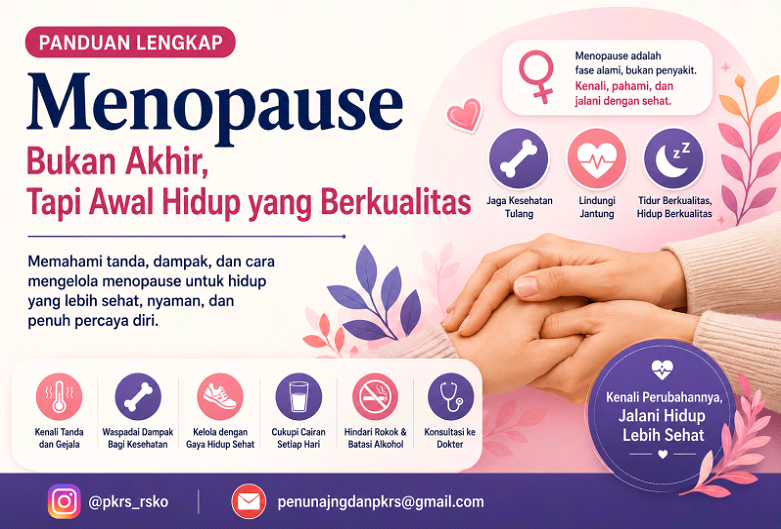
Hormonal changes during menopause can affect nearly every part of the body. Common symptoms include:
- Irregular menstrual cycles before menstruation eventually stops.
- Hot flashes—a sudden sensation of heat affecting the face, neck, or body.
- Night sweats.
- Difficulty sleeping or frequent nighttime awakenings.
- Mood changes, including irritability, anxiety, or feelings of sadness.
- Vaginal dryness, which may cause discomfort during sexual intercourse.
- Reduced sexual desire (low libido).
- Joint and bone pain.
Every woman's experience is unique. Some may experience only mild symptoms, while others may find that the symptoms significantly affect their daily activities and quality of life.
Health Risks Associated with Menopause
In addition to menopausal symptoms, declining estrogen levels can increase the risk of several health conditions, including:
- Osteoporosis, causing bones to become weaker and more susceptible to fractures.
- An increased risk of cardiovascular disease, including heart disease and stroke.
- Sleep disturbances that may lead to chronic fatigue and reduced well-being.
- Changes in sexual health and function.
Menopause is not simply the end of menstruation—it is also an important stage for maintaining long-term health and overall well-being.
Living Well Through Menopause
The good news is that many menopausal symptoms can be relieved by adopting a healthy lifestyle, including:
- Eating a balanced diet rich in calcium and vitamin D.
- Exercising regularly, such as walking, cycling, or participating in aerobic activities.
- Maintaining a healthy body weight.
- Getting adequate sleep and managing stress effectively.
- Avoiding smoking and limiting alcohol consumption.
- Staying well-hydrated by drinking sufficient water.
- Consulting a healthcare professional if symptoms become severe or interfere with daily life.
Simple lifestyle changes can provide significant benefits for bone health, cardiovascular health, and overall quality of life after menopause.
When to Seek Medical Attention
Although menopause is a natural process, certain symptoms require prompt medical evaluation, including:
- Vaginal bleeding after menopause.
- Menstrual bleeding that is unusually heavy or prolonged.
- Severe pain or other symptoms that interfere with daily activities.
Early medical assessment helps identify the underlying cause of these symptoms and ensures appropriate treatment when necessary.
Menopause Is Not the End—It's a New Beginning
Menopause is often perceived as the end of a woman's most productive years. In reality, it marks the beginning of a new stage of life.
With accurate information, healthy lifestyle choices, and support from family members and healthcare professionals, women can continue to live active, healthy, and confident lives.
Every woman will experience menopause. What makes the difference is how well prepared she is to navigate this transition.
Understanding the changes in your body, prioritizing your health, and seeking medical advice when needed are the best ways to ensure that menopause is a comfortable and fulfilling stage of life.
Women's Health Services at RSKO Jakarta
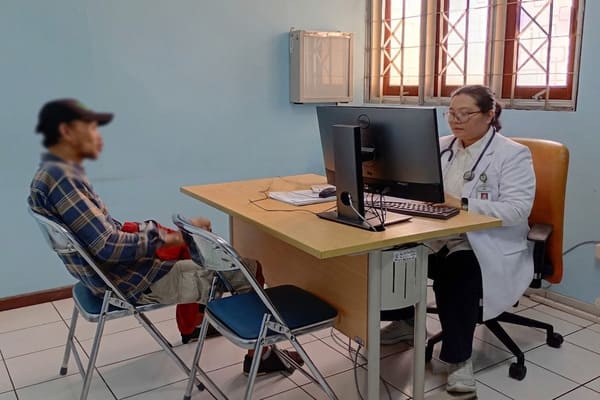
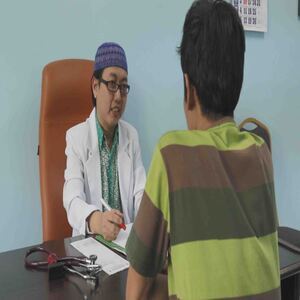
RSKO Jakarta provides comprehensive women's healthcare services through its Obstetrics and Gynecology (OB-GYN) Outpatient Clinic, staffed by experienced specialists dedicated to supporting women at every stage of life.
Because good health is not only about staying young—it is about taking care of your body through every phase of life.